Choosing a wedding band in Chandler, AZ that complements your engagement ring comes down to three core decisions: matching the metal and finish, selecting a style that flows with your ring’s setting, and staying within your budget. Most couples in the Chandler area either buy a bridal set (engagement ring and band together) or find a band that pairs seamlessly with an existing stone. The band you wear becomes part of your daily jewelry for decades, so it matters that you love it just as much as your engagement ring.
Wedding Bands vs. Engagement Rings: What’s the Difference and Why It Matters?
An engagement ring traditionally features a center stone—usually a solitaire diamond or a more elaborate setting like a halo or three-stone design. It announces your engagement and carries emotional weight as the ring given during a proposal. A wedding band, by contrast, is a simpler ring worn on the same finger, typically sitting below the engagement ring.
The wedding band is placed during the ceremony and symbolizes the marriage itself. Traditionally, women wear both rings together, with the band closest to the hand. Because the band lives right next to your engagement ring day in and day out, it needs to complement the setting’s height, width, and overall aesthetic.
Most people wear both rings together because they create a complete bridal look. However, some choose to wear a wedding band alone, especially if they prefer simplicity or if their engagement ring is a family heirloom they don’t wear every day. The decision is entirely personal, but a complementary band makes the pair feel intentional and polished.
Matching Your Wedding Band to Your Engagement Ring
The first step is understanding your engagement ring’s profile. Bring it with you when shopping for a band. If your ring has a high setting (the stone sits far from your hand), you may need a curved or contoured band to prevent the rings from sitting at an awkward angle.
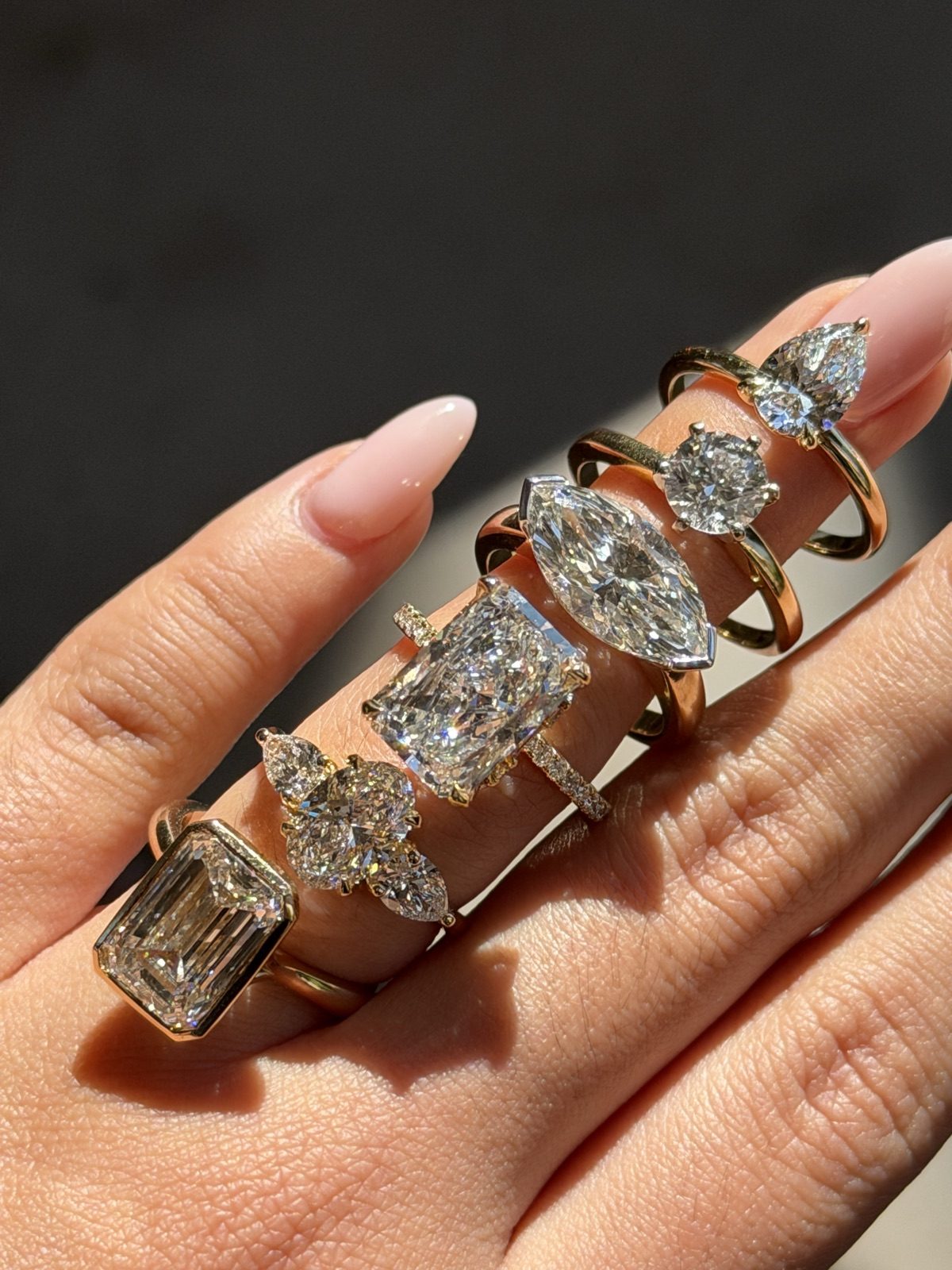
Solitaire rings pair beautifully with both simple, classic bands and textured designs. Since the stone is the star, the band can be understated platinum, white gold, or rose gold, or it can feature subtle diamond accents. Halo settings—where diamonds encircle a center stone—often look best with bands that match the halo’s visual weight, either with their own diamond accents or a slightly wider, more substantial profile.
Three-stone rings call for bands that respect the setting’s width. A thin band can look lost beside a three-stone engagement ring, so a medium-width band with or without stones tends to work best. Many jewelers in the Chandler area recommend trying on both options together before committing.
Bridal sets—engagement ring and matching band sold as a pair—guarantee perfect alignment. Because the jeweler designed them together, the fit, height, and aesthetic flow naturally. If you’re uncertain about mixing and matching, a set removes the guesswork. However, buying separately gives you flexibility, especially if you already own an engagement ring or inherit a vintage stone.
Women’s Wedding Bands in Chandler: Styles, Materials, and Trends
Wedding band trends in the Chandler area reflect both classic elegance and personal expression. Simple, polished bands in white gold or platinum remain the most popular choice because they pair with nearly any engagement ring. Rose gold has gained significant popularity over the past five years, especially among couples who want warmth and individuality.
Textured and patterned bands are becoming more common. Designs include milgrain (tiny bead-like details along the edges), hammered or brushed finishes, and subtle geometric patterns. These details add interest without overwhelming the engagement ring’s presence.
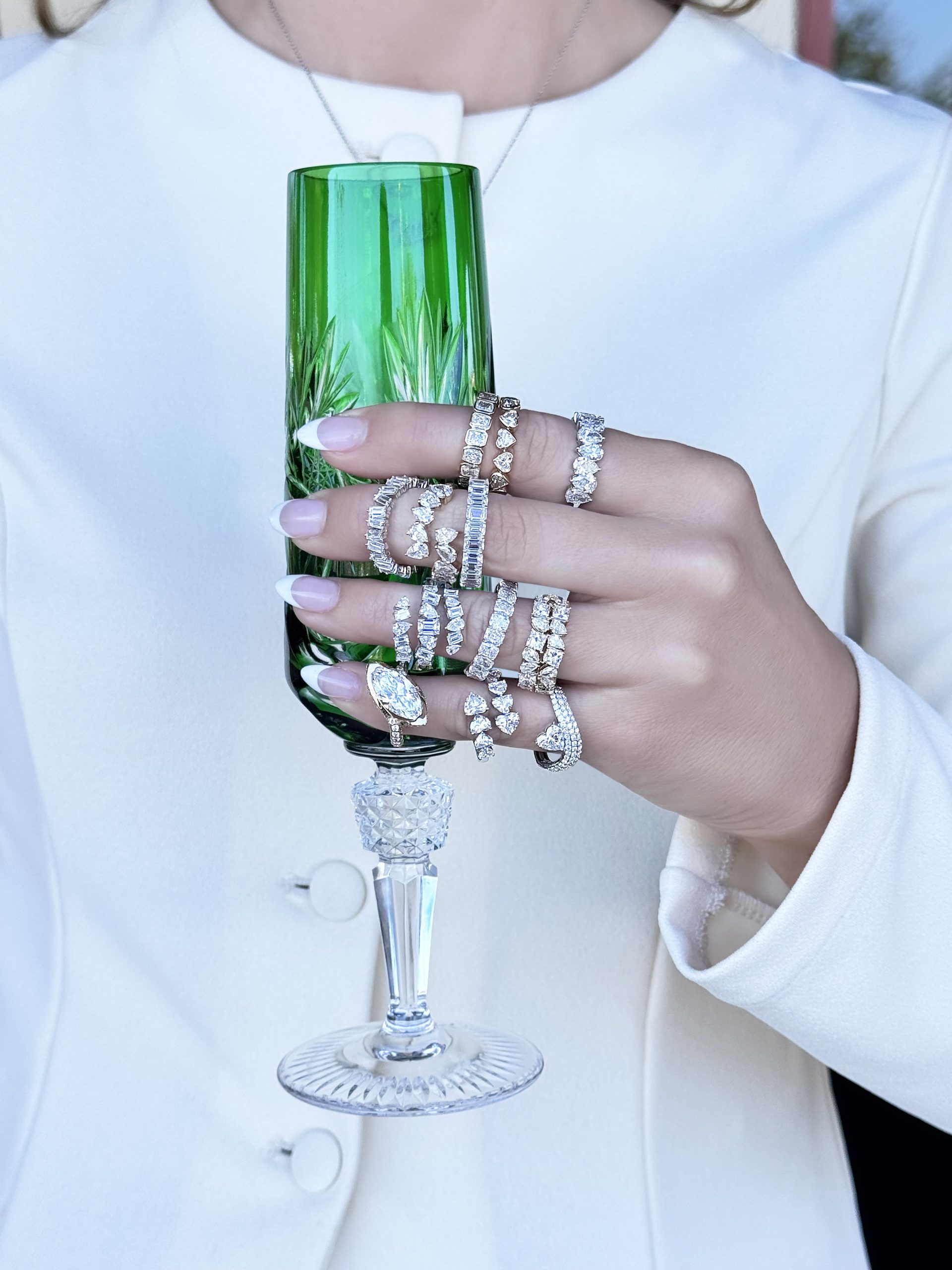
Diamond-accented bands bridge the gap between simple and elaborate. A band with three to five small diamonds provides sparkle and visual continuity with a diamond engagement ring. Lab-grown diamonds have made these bands more affordable than they were ten years ago, giving couples access to luxury details on tighter budgets.
Metal choice affects both appearance and durability. Platinum is the most durable and hypoallergenic, making it ideal if you wear your band every single day and don’t plan to remove it. Gold (10K, 14K, or 18K white, yellow, or rose) offers warmth and tradition. Platinum and 14K or 18K gold are the best long-term investments because they’re less prone to wear and maintain their beauty with minimal maintenance.
Custom Wedding Bands in Chandler: Your One-of-a-Kind Option
If ready-made options don’t feel right, a custom wedding band is a smart choice. Custom bands are unique to your vision and can be designed to fit your engagement ring perfectly, especially if that ring is a family heirloom, vintage piece, or unusual setting.
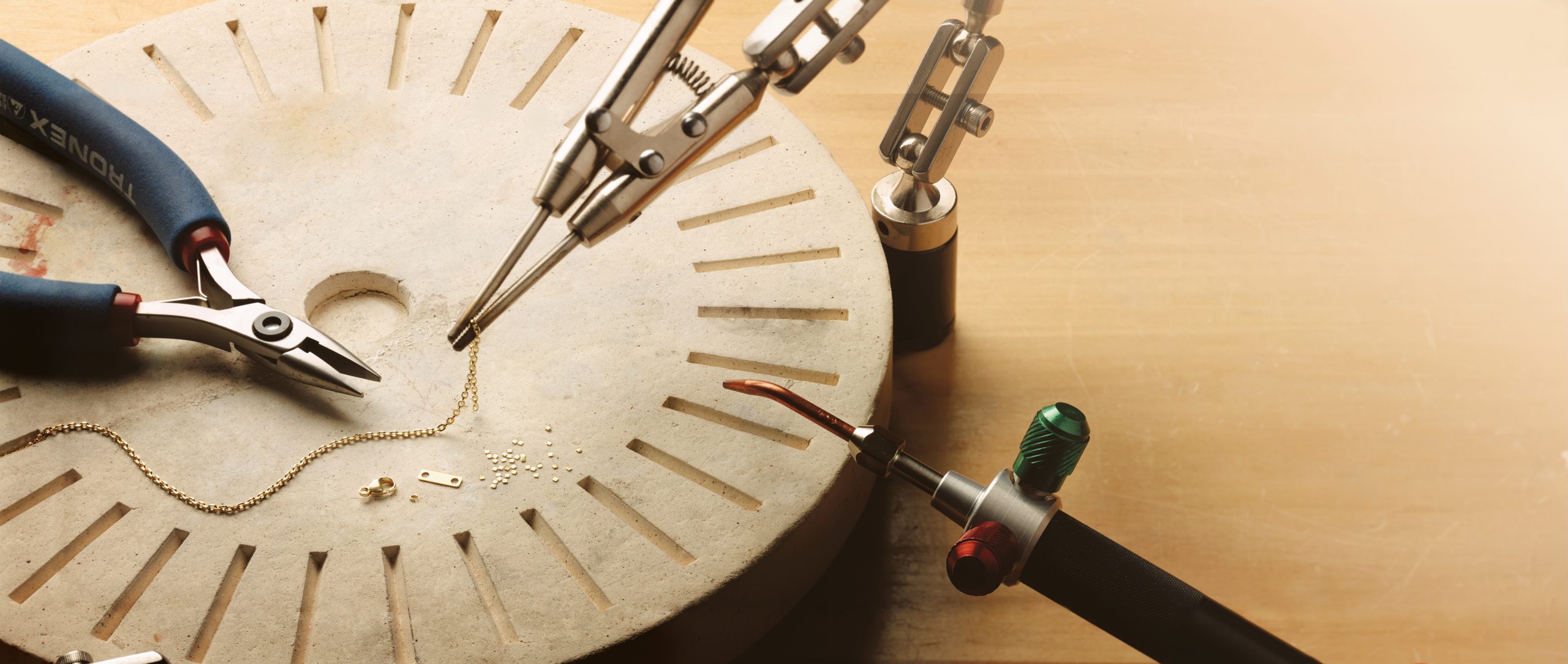
The custom design process typically starts with a consultation. You meet with a jeweler to discuss metals, width, finish, and any special details. Many local jewelers in the Chandler area—including Myranda Fine Jewelry—create custom bands by hand or using CAD (computer-aided design) to visualize your ring before production begins.
Custom bands often cost more than ready-made options because they’re made specifically for you and may include unique design elements. However, the price difference isn’t always dramatic. A custom band with a simple, elegant design might cost 15–30% more than a comparable ready-made band. Highly detailed or complex designs will cost more.
The timeline for a custom band typically runs 2–4 weeks from approval to completion, depending on the jeweler’s schedule and the design’s complexity. If you’re planning a wedding, starting this process 8–12 weeks before your date ensures you have time for adjustments or sizing.
Budget-Friendly Wedding Band Options Without Sacrificing Quality
You don’t need to spend thousands on a wedding band. Solid 14K gold bands with a polished or brushed finish run $400–$800 at reputable local jewelers. Platinum bands cost more, typically $1,200–$2,500, but their durability makes them a worthwhile investment if you plan to wear your band for 50+ years.
Lab-grown diamonds have revolutionized affordable luxury. A band with lab-grown diamond accents costs 20–40% less than the same band with mined diamonds, yet the stones are chemically identical and just as beautiful. According to the Gemological Institute of America (GIA), lab-grown and mined diamonds are optically, chemically, and physically the same; the difference is only origin.
Buying a band separate from your engagement ring is also budget-friendly. You can prioritize investment in your engagement ring and choose a more modest band, or vice versa. This flexibility helps couples stay within their overall jewelry budget without compromising on either piece.
Consider a wider band with subtle details rather than a thin band studded with diamonds. A beautiful 4mm or 5mm brushed-finish gold band often costs less than a thin band covered in small stones, and many people find it more striking and timeless.
How to Shop for Your Wedding Band at Myranda Fine Jewelry
Bring your engagement ring when you shop. Trying on bands alongside your actual ring is the only way to know if they sit well together and if the metals and styles harmonize. A band that looks beautiful in isolation might not feel right next to your specific stone and setting.
Ask your jeweler about sizing and comfort. Wedding bands sit close to your hand, so a comfortable fit matters for daily wear. Your ring size may have changed since your engagement, especially if your engagement ring is several months or years old, so don’t assume—get sized professionally.
Inquire about warranties and maintenance. Quality bands come with warranties covering manufacturing defects. Many jewelers also offer free or low-cost resizing and cleaning for life. These services add real value, especially if your band is part of your permanent daily jewelry.
The timeline from selection to wearing your band down the aisle depends on whether you choose ready-made or custom. Ready-made bands can often be sized and ready in one week. Custom bands take 2–4 weeks on average. If your wedding date is close, confirm the jeweler’s timeline before committing.
Visit Myranda Fine Jewelry’s website to explore wedding band options, or schedule a consultation to discuss your specific needs. The team in Chandler understands the importance of finding a band that feels like yours—and they’ll guide you through every decision.
Frequently Asked Questions
Can I wear a wedding band without an engagement ring?
Yes, absolutely. Some people prefer a single, beautiful wedding band for everyday wear, especially if their engagement ring is an heirloom they don’t wear daily or if they simply prefer a minimalist look. A band alone is completely valid and increasingly popular among couples who want simplicity and personal style over tradition.
How do I know if my wedding band will fit comfortably next to my engagement ring?
Always try on your band while wearing your engagement ring. The two rings should sit flush against each other with no gaps or twisting. If your engagement ring has a very high or unusual setting, ask your jeweler about contoured or curved bands specifically designed to fit snugly beside it. Getting professional sizing ensures maximum comfort for daily wear.
Is a custom wedding band worth the extra cost?
A custom band is worth it if you have a specific vision, own a vintage or heirloom engagement ring that needs a complementary design, or want a one-of-a-kind piece. Custom bands often cost 15–30% more than ready-made options, but you’re paying for precision fit and personalization. If a ready-made band feels perfect, there’s no need to spend extra.
How long does it take to get a wedding band before my wedding?
Ready-made bands can be sized and ready within one week. Custom bands typically take 2–4 weeks from design approval to completion. If your wedding is approaching, start shopping at least 8–12 weeks ahead to allow time for design, production, and any necessary adjustments or resizing.
Are lab-grown diamonds in a wedding band as good as mined diamonds?
Yes. According to the Gemological Institute of America, lab-grown and mined diamonds are chemically, physically, and optically identical. The only difference is origin. Lab-grown diamonds cost 20–40% less, making them a smart choice if you want diamond accents on your band without the premium price tag.
{“@context”:”https://schema.org”,”@type”:”FAQPage”,”mainEntity”:[{“@type”:”Question”,”name”:”Can I wear a wedding band without an engagement ring?”,”acceptedAnswer”:{“@type”:”Answer”,”text”:”Yes, absolutely. Some people prefer a single, beautiful wedding band for everyday wear, especially if their engagement ring is an heirloom they don’t wear daily or if they simply prefer a minimalist look. A band alone is completely valid and increasingly popular among couples who want simplicity and personal style over tradition.”}},{“@type”:”Question”,”name”:”How do I know if my wedding band will fit comfortably next to my engagement ring?”,”acceptedAnswer”:{“@type”:”Answer”,”text”:”Always try on your band while wearing your engagement ring. The two rings should sit flush against each other with no gaps or twisting. If your engagement ring has a very high or unusual setting, ask your jeweler about contoured or curved bands specifically designed to fit snugly beside it. Getting professional sizing ensures maximum comfort for daily wear.”}},{“@type”:”Question”,”name”:”Is a custom wedding band worth the extra cost?”,”acceptedAnswer”:{“@type”:”Answer”,”text”:”A custom band is worth it if you have a specific vision, own a vintage or heirloom engagement ring that needs a complementary design, or want a one-of-a-kind piece. Custom bands often cost 15–30% more than ready-made options, but you’re paying for precision fit and personalization. If a ready-made band feels perfect, there’s no need to spend extra.”}},{“@type”:”Question”,”name”:”How long does it take to get a wedding band before my wedding?”,”acceptedAnswer”:{“@type”:”Answer”,”text”:”Ready-made bands can be sized and ready within one week. Custom bands typically take 2–4 weeks from design approval to completion. If your wedding is approaching, start shopping at least 8–12 weeks ahead to allow time for design, production, and any necessary adjustments or resizing.”}},{“@type”:”Question”,”name”:”Are lab-grown diamonds in a wedding band as good as mined diamonds?”,”acceptedAnswer”:{“@type”:”Answer”,”text”:”Yes. According to the Gemological Institute of America, lab-grown and mined diamonds are chemically, physically, and optically identical. The only difference is origin. Lab-grown diamonds cost 20–40% less, making them a smart choice if you want diamond accents on your band without the premium price tag.”}}]}
{“@context”:”https://schema.org”,”@type”:”Article”,”headline”:”Wedding Bands in Chandler, AZ: Finding the Perfect Ring to Match Your Engagement Ring”,”description”:”Find the perfect wedding band in Chandler, AZ to complement your engagement ring. Expert guide to styles, metals, custom options, and budgets.”,”keywords”:[“wedding bands chandler az”],”publisher”:{“@type”:”Organization”,”name”:”Myranda Fine Jewelry”,”url”:”https://myrandafinejewelry.com”},”mainEntityOfPage”:{“@type”:”WebPage”,”@id”:”https://myrandafinejewelry.com”}}
Serving the Greater Phoenix Area
Myranda Fine Jewelry proudly serves clients throughout the Phoenix metropolitan area. Find our services near you: